
Clinical Review · Urology and Andrology · May 2026
Keywords: benign prostatic hyperplasia, phytotherapy, Saw Palmetto, DHT inhibition, Tribulus terrestris, Nettle root, male sexual health, LUTS, dietary supplement
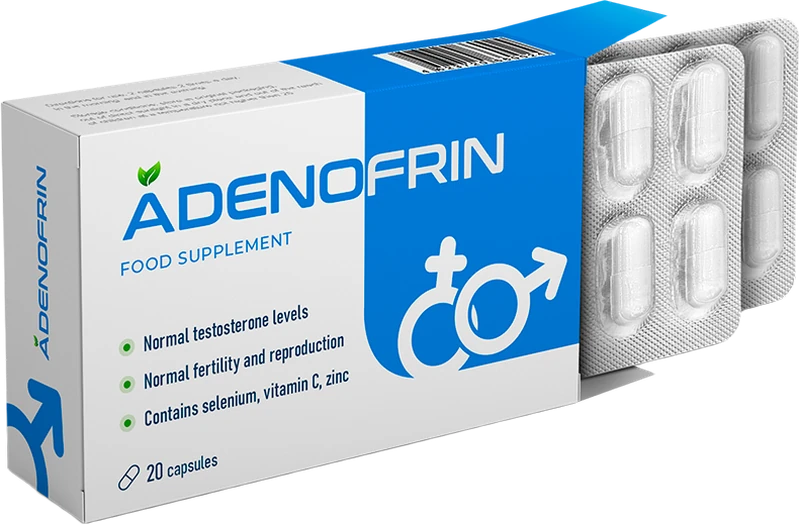 Adenofrin is a multi-ingredient botanical supplement formulated for the management of lower urinary tract symptoms (LUTS) associated with benign prostatic hyperplasia (BPH) and concurrent androgenic decline in the ageing male. Available through the manufacturer's official distribution channel at adenofrin, the formulation combines five phytotherapeutic agents — Serenoa repens, Urtica dioica, Vaccinium macrocarpon, Tribulus terrestris and Lepidium meyenii — each with documented biological activity relevant to prostatic tissue remodelling, androgen metabolism and sexual function. This review examines the pharmacological basis of each component, the clinical evidence underpinning their combined application, the within-formulation pharmacological interactions and the practical clinical framework within which this supplement may be considered as an adjunctive or primary therapeutic option in appropriately selected patients.
Epidemiological Context: Why This Formulation Is Clinically Relevant
Benign prostatic hyperplasia is among the most prevalent conditions in ageing men globally. Histological evidence of BPH is detectable in approximately 40% of men by the fifth decade of life, rising to over 75% by the eighth decade. Clinical symptoms, measured by the International Prostate Symptom Score (IPSS), are present in a significant proportion of this group — nocturia, hesitancy, weak stream, intermittency and the persistent sensation of incomplete bladder emptying.
The epidemiological burden extends well beyond urinary function. A large and consistently underreported proportion of men presenting with BPH simultaneously exhibit features of late-onset hypogonadism: declining libido, reduced erectile quality, fatigue, mood disturbance and progressive loss of lean muscle mass. These two clinical syndromes — prostatic and andrological — share a common pathophysiological root in the ageing androgen axis, yet in standard clinical practice they are typically treated in isolation. The urological complaint receives an alpha-blocker or a 5-alpha-reductase inhibitor. The sexual symptoms are either not raised by the patient or, when raised, addressed with a separate pharmaceutical prescription. The underlying hormonal substrate connecting the two goes unaddressed.
This fragmentation of management is not only clinically suboptimal but actively counterproductive in a subset of patients. The most commonly prescribed pharmaceutical agents for BPH carry sexual side effects that worsen the very andrological symptoms the patient presents alongside the urological complaint. Tamsulosin produces retrograde ejaculation in 14–35% of users. Finasteride reduces libido in approximately 6% and causes erectile dysfunction in 4–8%, with post-finasteride syndrome — persistent sexual dysfunction following drug discontinuation — a recognised if incompletely characterised entity in the literature. For a man presenting with weak stream, nocturia and reduced desire, commencing finasteride addresses the first two at the direct expense of the third.
A formulation capable of addressing both the prostatic and andrological dimensions of the ageing male syndrome simultaneously — without hormonal suppression or sexual dysfunction as a therapeutic cost — represents a clinically meaningful proposition. The five-component design of Adenofrin is constructed with that integrative goal as the explicit formulation rationale.
Pathophysiology: The Three Mechanisms Adenofrin Targets
Effective phytotherapeutic management of BPH and androgenic decline requires a clear mechanistic target for each active component. In the case of Adenofrin, three pathophysiological processes are addressed:
Mechanism 1 — DHT-mediated prostatic cell proliferation. Dihydrotestosterone is synthesised from testosterone within prostatic stromal and epithelial cells by the enzyme 5-alpha-reductase (5-AR), which exists in two isoforms. Type 1 is expressed in skin, liver and prostate. Type 2 is expressed predominantly in the prostate and genital skin. DHT has a five- to tenfold greater affinity for the androgen receptor (AR) than testosterone and dissociates from the receptor complex significantly more slowly, making it the principal androgenic stimulus for prostatic epithelial and stromal cell proliferation.
The intraprostatic concentration of DHT in BPH tissue is substantially elevated relative to normal prostate, even in men with declining serum testosterone — because 5-AR activity in prostatic tissue is maintained or upregulated with age independently of the gonadal axis. This is the biochemical explanation for the apparent paradox whereby prostate volume increases progressively despite falling systemic androgen levels. Effective management of DHT-driven BPH requires either inhibiting 5-AR enzyme activity, blocking AR-DHT complex formation, or both simultaneously.
Mechanism 2 — Chronic low-grade intraprostatic inflammation. Histological studies demonstrate lymphocytic and macrophagic infiltration in over 75% of BPH surgical specimens. These infiltrating immune cells produce pro-inflammatory cytokines — principally IL-8, IL-17, TNF-α and TGF-β — that activate prostatic fibroblasts and smooth muscle cells, stimulate epithelial growth factor receptor (EGFR) signalling and drive stromal remodelling independent of androgen stimulation. Chronic intraprostatic inflammation thus sustains glandular growth through a DHT-independent pathway that pharmaceutical 5-AR inhibitors leave completely unaddressed.
Mechanism 3 — Hypothalamic-pituitary-gonadal axis insufficiency. Serum testosterone declines at approximately 1–2% per year from the fourth decade, with a corresponding increase in sex hormone-binding globulin (SHBG) that further reduces free androgen availability. The resulting syndrome of late-onset hypogonadism — reduced libido, fatigue, erectile insufficiency, mood decline and reduced physical stamina — co-presents with BPH in the majority of symptomatic men over 55. Management of prostate symptoms without addressing the andrological substrate leaves the patient partially treated at best.
Component Analysis: Pharmacology and Clinical Evidence
Serenoa repens — Saw Palmetto
Saw Palmetto extract is the most extensively investigated phytotherapeutic agent in clinical urology, with over 40 randomised controlled trials and multiple systematic reviews examining its efficacy in BPH. The pharmacologically active constituents — lauric acid, oleic acid, myristic acid, capric acid and beta-sitosterol — competitively inhibit both isoforms of 5-alpha-reductase in prostatic tissue, reducing intraprostatic DHT synthesis. The inhibition is non-competitive at the enzyme level and is not reversed by increasing substrate (testosterone) concentration at physiological doses, a characteristic that distinguishes it mechanistically from some synthetic inhibitors.
Beyond 5-AR inhibition, Saw Palmetto demonstrates: alpha-1 adrenergic receptor blocking activity in the bladder neck and prostatic urethra, contributing to smooth muscle relaxation and improved urinary flow rate independently of its anti-proliferative effect; anti-oestrogenic activity at the oestrogen receptor in prostatic stromal cells, relevant because the oestrogen-to-androgen ratio in prostatic tissue increases significantly with age and contributes to stromal rather than epithelial hyperplasia; and inhibition of prostatic cell growth factor receptor signalling downstream of AR activation.
The clinically decisive differentiator from pharmaceutical 5-AR inhibitors is the PSA-neutrality of Saw Palmetto. Finasteride reduces serum PSA by 40–50% within six months of initiation. Dutasteride produces comparable suppression. This artificial reduction requires mathematical correction — doubling the measured PSA to approximate the "true" level — at every subsequent oncological monitoring point. Failure to apply the correction is a recognised cause of delayed detection of clinically significant prostate cancer in men on pharmaceutical 5-AR inhibitors. Saw Palmetto does not suppress PSA. Control investigations remain fully interpretable without correction throughout the supplementation period.
Urtica dioica — Nettle Root
Nettle root extract is pharmacologically complementary to Saw Palmetto at every mechanistic level, making their combination a well-reasoned therapeutic pairing rather than redundant inclusion. The primary documented mechanisms of Nettle in the prostate include:
Inhibition of SHBG-testosterone complex binding to prostatic membrane receptors — reducing local testosterone availability for 5-AR conversion without affecting systemic SHBG levels or free testosterone in the circulation. This provides a second layer of DHT axis suppression that is distinct from and additive to the 5-AR inhibition of Saw Palmetto.
Direct inhibition of prostatic Na+/K+-ATPase pump activity, disrupting the ionic gradient-dependent signalling that modulates prostatic stromal cell proliferation. This mechanism operates independently of both the androgen receptor axis and the inflammatory pathway.
Suppression of NF-κB nuclear translocation in prostatic stromal cells. NF-κB is the central transcription factor governing the production of IL-8, IL-17, TNF-α and other pro-inflammatory cytokines in the BPH microenvironment. Polysaccharides and lectins extracted from Urtica dioica root directly inhibit IκB kinase activity, preventing NF-κB activation and consequent cytokine transcription. This is the mechanism through which Nettle addresses the second pathological driver of BPH — chronic intraprostatic inflammation — that Saw Palmetto does not reach.
The clinical significance of combining these two agents has been examined in several comparative studies. A study by Metzker et al. comparing Saw Palmetto/Nettle combination against tamsulosin over 24 weeks found equivalent improvements in IPSS total score and peak urinary flow rate, with substantially lower rates of ejaculatory dysfunction in the phytotherapy arm (2.1% versus 18.4%).
Vaccinium macrocarpon — Cranberry Extract
Cranberry extract addresses the third pathological mechanism in the Adenofrin formulation: oxidative stress-mediated tissue damage in the chronically inflamed prostate. The principal active compounds are A-type proanthocyanidins (PACs), which differ structurally from the B-type PACs found in most other berry extracts and account for cranberry's distinctive biological activity profile.
Prostatic tissue under sustained inflammatory activation generates reactive oxygen species (ROS) through NADPH oxidase and mitochondrial respiratory chain dysregulation. These ROS serve as secondary messengers that re-activate NF-κB through the oxidative stress pathway — creating a self-sustaining inflammatory loop in which cytokine production drives oxidative stress and oxidative stress drives further cytokine production. High-dose antioxidant supplementation without tissue selectivity is largely ineffective because systemic distribution dilutes the active compound before it reaches relevant tissue concentrations.
Cranberry PACs demonstrate documented accumulation in urogenital tissue following oral ingestion, achieving local concentrations sufficient for ROS neutralisation specifically in the bladder epithelium, urothelium and prostatic ductal tissue. This tissue selectivity is what makes Cranberry extract pharmacologically appropriate for intraprostatic oxidative stress management in a way that non-selective antioxidants are not.
The anti-adhesion mechanism of Cranberry PACs — inhibition of type-1 and type-P fimbriae-mediated bacterial adherence to urothelial cells — provides a further clinically relevant benefit in men with concurrent chronic bacterial prostatitis history, reducing the probability of bacterial recolonisation in the prostatic ducts and hence the risk of recurrent acute exacerbations superimposed on the chronic BPH background.
Tribulus terrestris
Tribulus terrestris provides the andrological dimension of the formulation. The active steroidal saponins — principally proto-dioscin, which is converted to dehydroepiandrosterone (DHEA) during intestinal absorption — stimulate luteinising hormone (LH) secretion from the anterior pituitary through actions on hypothalamic GnRH pulsatility. Elevated LH stimulates Leydig cell testosterone synthesis via the adenylyl cyclase-cAMP-protein kinase A intracellular signalling cascade.
The endogenous nature of this stimulation is its principal clinical advantage over exogenous testosterone replacement therapy. Exogenous testosterone suppresses GnRH and LH through hypothalamic-pituitary negative feedback, producing testicular atrophy and HPG axis suppression with prolonged administration. The abrupt discontinuation of exogenous testosterone in this context produces significant symptomatic hypogonadism before HPG axis recovery, a clinically difficult transition period. Tribulus-mediated stimulation operates within physiological bounds without suppressing the axis — LH increases remain within the physiological range, testosterone increases remain within or just above the normal range for age, and the axis continues to regulate itself normally.
The pharmacological interaction between Tribulus and Saw Palmetto in this formulation resolves what appears to be a theoretical contradiction. A clinician reviewing the formulation might reasonably ask whether increasing testosterone through Tribulus would increase DHT production in the prostate, worsening the BPH it is designed to manage. The answer is that Saw Palmetto's concurrent inhibition of prostatic 5-AR prevents the increased testosterone from being converted to DHT in the gland. The elevated testosterone circulates freely to non-prostatic androgen-dependent tissues — skeletal muscle, bone, brain, sexual organs — producing the desired systemic anabolic and androgenic effects, while the prostatic DHT environment remains suppressed. This pharmacological pairing is the most sophisticated aspect of the Adenofrin formulation design.
Lepidium meyenii — Maca Root
Maca root contributes an adaptogenic and neuropsychological dimension to the formulation that is mechanistically independent of the HPG axis. Multiple randomised controlled trials — including Gonzales et al. (2002) and Brooks et al. (2008) — demonstrated statistically significant improvements in self-reported sexual desire, International Index of Erectile Function (IIEF) scores and subjective sense of vitality with Maca supplementation at 8–12 weeks, without corresponding changes in serum testosterone, LH, FSH or oestradiol concentrations. The effect on sexual function is real, clinically measurable and hormone-independent.
Proposed mechanisms include modulation of hypothalamic neuropeptide Y signalling pathways governing sexual motivation; influence on dopaminergic reward pathways that mediate sexual interest; phosphodiesterase inhibitory activity in penile corpora cavernosa smooth muscle contributing to vasodilation; and adaptogenic modulation of HPA axis cortisol dynamics, reducing the libido-suppressing effects of chronic stress that frequently accompany the clinical presentation of the ageing male with BPH and hypogonadal symptoms.
The clinical complementarity with Tribulus is important to understand: Tribulus addresses the hormonal substrate of male sexual dysfunction — it corrects the testosterone deficiency that reduces the physiological drive for sexual function. Maca addresses the neuropsychological and vascular expression of that dysfunction — it improves the CNS and peripheral vascular response to whatever testosterone is present. The two together cover the hormonal and post-receptor dimensions of male sexual health without mechanistic overlap.
Within-Formulation Pharmacological Interactions
The five components do not act as five independent supplements co-packaged for commercial convenience. They form an interconnected pharmacological network in which the mechanism of each ingredient either complements, extends or enables the mechanism of another:
Saw Palmetto + Nettle: Dual-point DHT axis suppression. Saw Palmetto reduces DHT production at the enzymatic source. Nettle reduces DHT receptor-complex formation and cytokine-mediated proliferation. Combined IPSS improvement documented as superior to either agent alone. No mechanism overlap — genuinely additive anti-hyperplastic effect.
Nettle + Cranberry: Dual-pathway inflammation resolution. Nettle blocks NF-κB-mediated transcription of pro-inflammatory cytokines. Cranberry neutralises the ROS-mediated oxidative signal that re-activates NF-κB. Together they interrupt both the transcriptional and the oxidative amplification arms of the chronic prostatic inflammatory cycle, making suppression more complete and more durable than either achieves alone.
Tribulus + Saw Palmetto: The androgen paradox resolution. Tribulus increases systemic testosterone production. Saw Palmetto prevents intraprostatic conversion of that testosterone to DHT. Result: improved systemic androgenic status without worsening the prostatic DHT environment. This is the formulation's most clinically elegant pharmacological interaction.
Tribulus + Maca: Non-redundant dual-pathway sexual function support. Tribulus corrects hormonal testosterone insufficiency. Maca improves the CNS and vascular expression of sexual function independently of hormone levels. Additive improvement in libido, desire and erectile quality through separate mechanistic pathways.
Cranberry (standalone contribution): Uroprotective anti-adhesion activity in prostatic ducts and urothelium, reducing recurrent bacterial prostatitis risk in susceptible patients. This mechanism is independent of all other components and adds clinical value specific to men with chronic prostatitis history alongside BPH.
Clinical Application Framework
Based on the pharmacological evidence reviewed, Adenofrin is appropriately positioned within the following clinical categories:
Primary phytotherapeutic management in men with IPSS 8–18, prostate volume under 40 mL on ultrasound, absence of post-void residual volume exceeding 150 mL, and PSA within age-appropriate limits with no biopsy indication. This represents the largest clinical segment of BPH — symptomatic men for whom the urologist has recommended watchful waiting, lifestyle modification or conservative pharmacological management.
Adjunctive andrological support in men on alpha-blocker therapy experiencing ejaculatory dysfunction or libido suppression as dose-limiting side effects. Adenofrin's andrological components can be added without pharmacokinetic interference with tamsulosin or silodosin.
Alternative to 5-AR inhibitors in men with IPSS 12–19 and prostate volume 30–50 mL who decline finasteride or dutasteride due to concern about PSA suppression (men in active oncological monitoring programmes) or sexual side effects. The Saw Palmetto + Nettle combination in Adenofrin addresses the same DHT-mediated hyperplasia target without PSA interference or documented sexual dysfunction as a consequence.
Post-intervention maintenance following TURP or laser enucleation, where ongoing intraprostatic DHT suppression may reduce the rate of symptomatic recurrence in the residual prostatic tissue.
Preventive supplementation in men aged 40–55 with early urodynamic changes, strong family history of BPH, or metabolic syndrome (which accelerates BPH progression through insulin resistance-mediated growth factor upregulation), where early intervention in the pre-symptomatic phase may significantly delay the onset of clinically significant LUTS.
Safety Profile, Contraindications and Drug Interactions
The five components of Adenofrin each carry established individual safety profiles from clinical trials spanning decades. No significant serious adverse events have been attributed to any of the five ingredients at supplementation doses in the published literature. Relevant clinical considerations for specific patient populations include the following:
Men receiving anticoagulant or antiplatelet therapy should have coagulation parameters monitored after initiating Saw Palmetto, which has demonstrated mild platelet aggregation inhibitory activity in in vitro studies. Clinical significance at supplementation doses is considered low but warrants monitoring in patients on warfarin or direct oral anticoagulants.
Concurrent prescription 5-AR inhibitor therapy alongside Saw Palmetto involves mechanistic overlap. While additive prostatic DHT suppression is theoretically plausible, clinical data on this combination are limited. Physician awareness of concurrent use is appropriate.
The pro-androgenic activity of Tribulus terrestris through LH stimulation is contraindicated in men with confirmed or suspected androgen-sensitive neoplasia — specifically prostate carcinoma — where androgenic stimulation may accelerate tumour progression. Elevated PSA without biopsy-confirmed benign diagnosis is a contraindication to supplementation pending urological evaluation.
Maca, Nettle and Cranberry carry no documented pharmacological contraindications at supplementation doses in men without specific allergies to the source plants.
Expected Therapeutic Timeline and Monitoring
Clinicians advising patients on Adenofrin should communicate realistic expectations about the temporal pattern of response. Botanical extracts accumulate therapeutic tissue concentrations gradually, through sustained daily dosing, rather than achieving immediate receptor saturation as synthetic pharmaceuticals do.
The anti-inflammatory mechanisms — Nettle NF-κB inhibition and Cranberry ROS scavenging — respond more rapidly than the anti-hyperplastic mechanisms, accounting for the early symptom improvement (reduced nocturia, less urgency) that typically precedes measurable urodynamic change. This early response, appearing within 7–14 days in many patients, reflects inflammatory rather than volumetric change and should be communicated as such to avoid unrealistic expectations of volumetric prostate reduction.
Urodynamic improvements — increased peak flow rate, improved stream continuity — are typically measurable at 3–4 weeks. IPSS score comparison at baseline and day 30 provides an objective basis for response assessment: a reduction of 3 or more points represents the minimal clinically important difference; reduction of 6 or more points represents substantial improvement by established LUTS trial endpoints.
Maximum clinical benefit of the anti-hyperplastic components requires sustained supplementation of 90 days or longer. Prostate volume reduction with Saw Palmetto, where documented, typically becomes measurable at 3–6 months of continuous use. Patients should be counselled that early discontinuation at week 2 — before the most important mechanisms have reached therapeutic effect — represents the most common reason for apparent non-response to phytotherapy in clinical practice.
Conclusion
The Adenofrin formulation is pharmacologically coherent in its design and clinically relevant in its target population. The five components address the three established pathogenic mechanisms of BPH — DHT-mediated cell proliferation, chronic intraprostatic inflammation and oxidative tissue damage — while simultaneously providing andrological support through the pro-testosterone action of Tribulus terrestris and the hormone-independent sexual function support of Lepidium meyenii.
The within-formulation pharmacological interactions — particularly the Tribulus/Saw Palmetto pairing that enables increased systemic testosterone without increased intraprostatic DHT — reflect a level of formulation logic that is substantively more sophisticated than the typical multi-ingredient supplement, where components are frequently selected for marketing recognition rather than mechanistic complementarity.
For clinicians managing men with mild to moderate LUTS, concurrent andrological symptoms and a preference for non-pharmaceutical management — or for those for whom pharmaceutical 5-AR inhibitors are contraindicated by sexual side effects or PSA monitoring requirements — Adenofrin represents a five-component phytotherapeutic option with a rational evidence base, an established safety profile and a mechanism of action that addresses the full clinical complexity of the ageing male syndrome rather than its urological dimension in isolation.
This review is intended for informational and educational purposes. Adenofrin is a dietary supplement, not a registered pharmaceutical product. It does not diagnose, treat or cure any disease. Clinical decisions regarding its use should be made in the context of individual patient assessment, comorbidity profile and concurrent medications. Men with elevated PSA, acute urinary retention, suspected prostate malignancy or other urological conditions requiring investigation should undergo specialist evaluation before initiating any supplementation regimen.





3 thoughts on “ NC2021: Some Reflections”
Rajgauri Vedpathak
(October 5, 2021 - 10:43 pm)“Stammering disconnects you with the world. National Conference connects you back” , this is something I felt so deeply in both NCs I’ve attended ?.
Sanjib Kumar Talukdar
(October 13, 2021 - 5:39 pm)Excellent write up Sachin Sir.I logged into the online NC for a few minutes and could see the program going on so well.Congratulations to everyone who made this NC a big success.
Sachin
(October 16, 2021 - 7:57 pm)Thank you Sanjib and Rajgauri! Yes, annual NC is like an important milestone in our collective growth..